

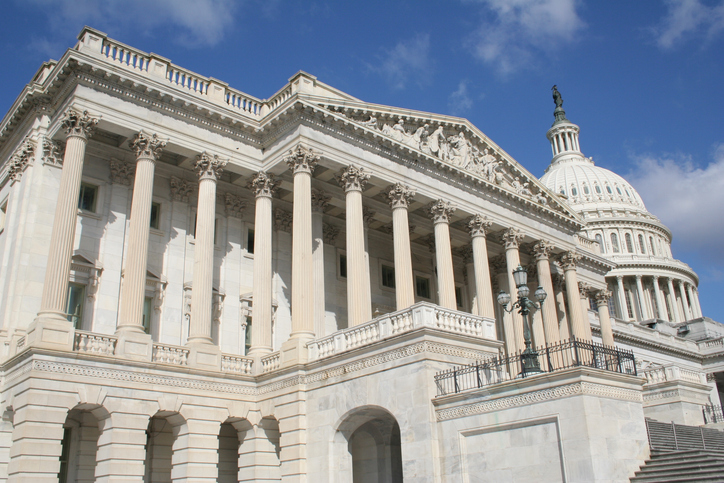
President Trump officially signed the “One Big Beautiful Bill Act” into law on July 4, 2025. While it was framed as a sweeping tax and spending overhaul, this bill carries major implications for foreign nationals pursuing an investor visa. If you’re considering an E-2 or EB-5 direct investment visa, here’s how the new law could influence your investment strategy—and what opportunities it may open.
Tax Relief = Less Taxes = More $ to invest
One of the most immediate takeaways from the bill is the permanent extension of the 2017 tax cuts. Corporate tax rates remain low, and favorable treatment for pass-through entities continues. For investors looking to start or buy a business in the U.S., this means more favorable margins and better chances to hit job creation and revenue targets required by visa regulations.
Many E-2 and EB-5 applicants choose LLCs or S corps—both of which benefit from these tax provisions. The cost of doing business just got cheaper, especially in industries that traditionally operate on thinner margins.
Construction, Security, and Border-Related Ventures
The bill pours federal funding into infrastructure, particularly projects tied to border security and ICE operations. While this doesn’t sound like typical visa-related territory, it presents a strategic opening. Investors can now consider subcontracting opportunities, support services, facility management, or logistics tied to these initiatives.
Think security firms, construction services, transportation providers, and even tech companies offering monitoring or compliance solutions. These can all qualify for E-2 or EB-5 treatment if they’re structured correctly and meet investment and job creation thresholds.
Manufacturing and Onshoring Potential
The bill signals support for reshoring and local manufacturing. For foreign entrepreneurs with experience in light manufacturing, packaging, or product assembly, this could be an ideal time to launch a U.S. operation. States are already offering local incentives for onshoring initiatives, and the permanent tax cuts make the financial math work even better.
EB-5 investors, in particular, can benefit by creating job-heavy operations that qualify under the direct investment track. And E-2 applicants can build viable long-term operations that justify renewals and possible transitions to permanent residency.
Educational and Vocational Training Ventures
With a focus on workforce development, there may be growing demand for vocational training centers, language schools, and other education-focused enterprises. These types of service businesses are often well-suited for E-2 visa holders, and under the new tax structure, they may become even more profitable.
The Bottom Line
Whether you’re looking to start a small business or fund a job-creating enterprise, the new Big Beautiful Bill shifts the playing field in your favor. But the opportunity only matters if your business is structured properly, aligns with visa criteria, and is backed by a credible business plan.
Need help identifying the best investment path for your visa? We create solid, realistic, and regulation-compliant business plans that support E-2 and EB-5 visa petitions. Reach out to learn how we can help you make this policy shift work for your immigration goals.
Social
Trump’s New Bill Just Changed the Game for Foreign Investors
If you’re eyeing an E-2 or EB-5 visa, you need to understand what just got signed into law. Certain industries are about to get a major boost—find out where smart investors are headed next. Read our blog.
Ignore This New Law and You Could Miss Huge Visa Opportunities
It’s not just political—it’s personal if you’re seeking a U.S. investor visa. There’s money moving, policies shifting, and doors quietly opening. See why now is a moment you can’t afford to miss.
These Policy Changes Are Reshaping Visa Investment Strategies
The new federal law is shifting how smart investors are approaching E-2 and EB-5 visa opportunities. Tax advantages and emerging sectors could make certain business models more viable. Read the blog to see what’s changing.