

Our participation at the American Immigration Lawyers Association Latin America and Caribbean Chapter (LACC) Conference in Barbados continues to reinforce why being present at these events matters. These conferences are not about abstract rules or textbook explanations. They are where attorneys openly share what they are seeing in real cases, how officers are behaving at consulates, and what details are making a difference right now.
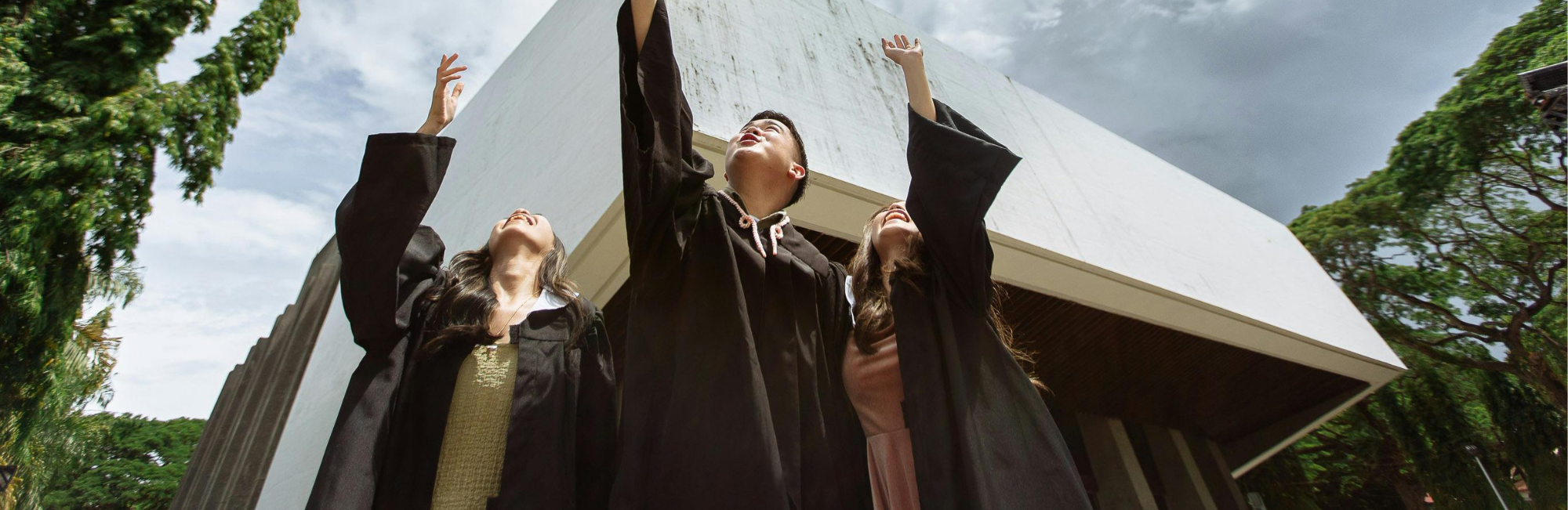
One session that drew significant attention focused on F-1 student visa interviews and was led by Tammy Fox. Her guidance was practical, direct, and rooted in current consular trends rather than theory.
She began with advice that may sound simple but is often overlooked. How you present yourself matters. Her recommendation to clients is to dress as if they were attending a funeral. Conservative, professional, and understated. The goal is not to stand out, but to avoid anything that could distract or raise questions. Overly casual clothing, flashy accessories, or outfits that feel inappropriate for a formal setting can work against an applicant in an interview that lasts only moments.
That naturally led to her second point. Applicants should be prepared for a very short interview. In many cases, student visa interviews last only 60 to 120 seconds. There is little room for rambling, confusion, or uncertainty. Clear and confident answers should be prepared before stepping up to the window.
According to Tammy, consular officers tend to focus on a small set of core questions. Why this school? Why this major? How will you utilize the degree after returning home? These questions are not random. They go directly to intent and credibility. Applicants who have not given careful thought to these answers may struggle to respond convincingly within such a limited timeframe.
She also reminded attendees that screening does not stop with what is said at the interview window. Applicants should be mindful of potential red flags, including social media activity. Anything that could be interpreted as supporting a designated terrorist organization can have serious immigration consequences. Even if unintended, such issues can trigger heightened scrutiny or denials. As always, outcomes depend on the specific facts of the case and the discretion of the consular officer.
This is precisely why we consistently stress to our clients the importance of being mindful of their online presence, including their website. A website, or the lack of one, can speak volumes about a business, the seriousness of an investor, or the long-term vision of a business owner. Consular officers form impressions quickly, and digital footprints often reinforce or undermine what is presented on paper or said in an interview. These details are not cosmetic. They shape credibility and perception, and they should never be underestimated.
We share these insights because they reflect what attorneys are seeing and discussing right now, not outdated advice. While we are not attorneys and do not provide legal advice, we believe it is important to pass along strategies and observations raised at conferences like the Latin America and Caribbean Chapter (LACC) Conference in Barbados. Doing so allows readers to ask better questions, do their due diligence, and consult with qualified counsel to determine whether these considerations are relevant to their own situation.
Staying informed about current interview trends and expectations can make a meaningful difference, especially when the window to make an impression is measured in seconds.
Contact us today to get started
The information provided in this blog is intended solely for informational purposes. While we strive to offer accurate and up-to-date content, it should not be considered legal advice. Immigration laws and regulations are subject to change, and individual circumstances can vary widely. For personalized guidance and legal advice regarding your specific immigration situation, we strongly recommend consulting with a qualified immigration attorney who can provide you with tailored assistance and ensure compliance with current laws and regulations.
Visa Business Plans is led by Marco Scanu, a certified coach from the University of Miami with a globally-based practice coaching Fortune 1000 company executives, entrepreneurs, as well as professionals in four different continents. Mr. Scanu advises clients on turnaround strategies and crisis management.
Mr. Scanu received a bachelor’s degree in Business Administration (Cum Laude) from the University of Florida and an MBA in Management from Bocconi University in Milan, Italy. Mr. Scanu was also a Visiting Scholar at Michigan State University under the prestigious H. Humphrey Fellowship (Fulbright program) with a focus on Entrepreneurship, Venture Capital, and high-growth enterprises.
At present, Mr. Scanu is the managing partner and CEO at Visa Business Plans, a Miami-based boutique consulting firm providing attorneys and investors with business planning services in the areas of U.S. and Canadian immigration, SBA loans, and others.
If you are looking for any of the following, we can help you!
EB-5 Visa Business Plans
EB5 Business Plans
L1A Business Plans
L Visa Business Plans
L-1 Visa Business Plans
E2 Business Plans
E2 Visa Business Plans
E1 Business Plans
E1 Visa Business Plans
Business Plan for Investor Visa
Business Plans for Immigration and Visa Purposes
Business Plan for Visa Application
Market Analysis
Feasibility Studies
Investor Visas Business Plans
NIW Business Plans
NIW Personal Endeavor Plan
NIW Personal Statement
EB-2 Visa Business Plans
Visa Business Plans

[209].png)